
How Many Days Do You Need for a Serengeti Park Safari?
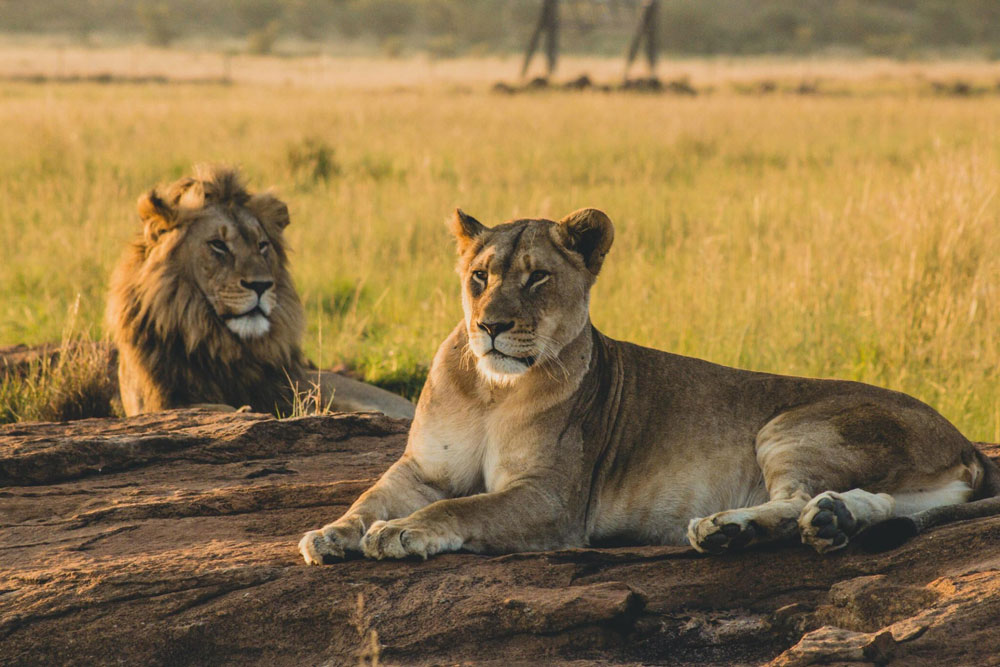
At Havillah Tours & Safaris Ltd, one question comes up more than almost any other from travelers planning their trip to Tanzania: “How many days should I actually spend in the Serengeti?” Having guided thousands of travelers across this ecosystem over the years, our team has seen firsthand how the length of a safari shapes the entire experience — from the number of animals you encounter to how relaxed or rushed you feel along the way.
The honest answer is that there’s no single number that fits every traveler. It depends on your budget, your travel dates, whether you want to witness the Great Migration, and how deeply you want to explore the park’s different regions. Below, we break down exactly what to expect at each safari length, drawing on our guides’ direct experience leading trips through the Serengeti’s central, northern, western, and southern zones.
Why Safari Length Matters So Much in the Serengeti
The Serengeti is not a single destination you can “see” in an afternoon. It spans roughly 14,750 square kilometers, making it one of the largest and most ecologically diverse parks in Africa. Different sections of the park come alive at different times of year, and wildlife — unlike a museum exhibit — moves. A lion pride that was lounging by a riverbed yesterday may be ten kilometers away today. This is precisely why the number of days you commit to your safari has such a direct impact on what you’ll witness, how many game drives you can fit in, and how much flexibility your guide has to track animals rather than rush between predetermined stops.
Is 3 Days Enough for Serengeti?
Three days is the minimum we recommend for a worthwhile Serengeti experience, and it can absolutely work — but with caveats. In three days, you typically get two full days of game drives bookended by travel or arrival time. This is enough to explore one region thoroughly, most commonly the Central Serengeti (Seronera), which is known for its year-round resident wildlife, including healthy populations of lions, leopards, and elephants.
What you sacrifice with three days is breadth. You won’t have time to chase the migration if it’s located far from your base camp, and there’s little room for a bad-weather day or a slow game-drive morning. We generally suggest three days for travelers combining Serengeti with several other parks on a tight schedule, or those who’ve already experienced an African safari before and know what to expect.
What Can You See on a 4-Day Serengeti Safari?
A 4-day Serengeti safari strikes a strong balance between depth and efficiency, and it’s one of our most frequently booked itineraries. With four days, you typically get three full game-drive days, which is enough to explore the Central Serengeti in detail and venture into a neighboring region, such as the Western Corridor or the southern plains, depending on the season.
On a well-planned 4-day trip, travelers commonly see the “Big Five” candidates — lion, leopard, elephant, buffalo, and with some luck, rhino in nearby conservation areas — along with cheetahs, hyenas, giraffes, zebras, and large herds of wildebeest if the migration timing aligns. Four days also gives your guide enough flexibility to adjust the route based on recent wildlife sightings reported by other operators in the park, which significantly increases your odds of a memorable encounter rather than a scripted drive-through.
Is 5 Days Enough for a Serengeti Safari?
Five days is where the Serengeti truly starts to open up. This length allows you to combine two distinct regions of the park — for example, Central Serengeti and the Northern Serengeti near the Mara River, or Central and Western Corridor during the migration’s river-crossing season. It also builds in a buffer day, which matters more than most first-time travelers expect; weather, road conditions, and animal movement patterns don’t always cooperate with a tight schedule.
Five-day itineraries are particularly well-suited to travelers hoping to witness specific migration events, such as the dramatic Mara River crossings (typically July through September) or the calving season on the southern plains (January through March). With this extra time, our guides can position you in the right area at the right time of day, rather than racing against the clock.
Should You Spend More Days in Central or Northern Serengeti?
This depends entirely on when you’re traveling and what you want to see.
Central Serengeti (Seronera) is the park’s most reliable wildlife-viewing area year-round. It has a dense concentration of predators, permanent water sources, and resident herds that don’t migrate far. If you’re visiting outside of migration season (roughly November through May, excluding calving months), spending more time here maximizes your sightings.
Northern Serengeti, near the Mara River, is the place to be if you’re chasing the Great Migration’s famous river crossings, typically between July and October. It’s more remote, which means fewer vehicles and a wilder feel, but it requires more driving time to access and is less reliable for wildlife outside the migration window.
Our recommendation: if your trip falls during migration season and the herds are confirmed in the north, weight your itinerary toward Northern Serengeti. Outside of that window, Central Serengeti offers more consistent and efficient game viewing per day spent.
How Long Should First-Time Visitors Stay?
For first-time visitors, we generally recommend a minimum of 4 to 5 days dedicated to the Serengeti alone, not counting travel days to and from Tanzania or time spent in other parks. First-timers often underestimate how much ground the park covers and how much a single extra day can improve the overall experience — not just in terms of animal sightings, but in reducing the feeling of being rushed from one viewpoint to the next.
If this is your first African safari and you’re combining it with other destinations like Ngorongoro Crater or Tarangire, we suggest a minimum of 7 to 8 days total for the full Tanzania circuit, with at least 4 of those days focused on the Serengeti itself. This gives you enough time to properly experience one of the world’s premier Tanzania Safari Destinations without feeling like you’re constantly packing and unpacking.
Can Serengeti Be Combined with Ngorongoro Crater?
Yes, and in fact, this is one of the most popular and logical combinations in Tanzania safari planning. Ngorongoro Crater sits just a few hours’ drive from the Serengeti’s southern entrance, making it a natural extension of most itineraries rather than a separate trip.
The crater offers an entirely different experience: a contained, high-density wildlife viewing area within a collapsed volcanic caldera, where you can often spot all of the Big Five in a single day due to the compact size of the crater floor. Most travelers add 1 to 2 days for Ngorongoro on top of their Serengeti itinerary, making a combined trip of 5 to 7 days a well-rounded option that covers both the vastness of the Serengeti plains and the concentrated game viewing of the crater.
Is a Longer Safari Better for Wildlife Sightings?
Generally, yes — but with diminishing returns after a certain point. The relationship between safari length and wildlife sightings isn’t perfectly linear. Your first few days typically yield the most dramatic increase in what you see, simply because you’re covering new ground and your guide has time to track recent sightings reported by the ranger network. Days 4 through 7 tend to add depth rather than volume: more time observing specific behaviors, better photographic opportunities as you learn each area’s patterns, and a higher chance of witnessing rarer events like a hunt, a river crossing, or a leopard sighting.
Beyond about 7 to 8 days focused solely on the Serengeti, most travelers find better value in redirecting additional days toward other parks or regions, since the Serengeti’s core highlights can usually be captured within that window when paired with a knowledgeable guide.
Final Thoughts from Havillah Tours & Safaris Ltd
There’s no universally “correct” number of days for a Serengeti safari — only the right number of days for your goals, budget, and travel dates. As a Tanzania-based operator with deep, on-the-ground experience across the Serengeti ecosystem, we work with every client individually to design an itinerary that matches their priorities, whether that means a focused 3-day introduction or a comprehensive 7-day exploration paired with Ngorongoro Crater.
If you’re ready to start planning, our team can walk you through our Serengeti Safari Packages and help you choose the itinerary length that fits your trip, your interests, and the time of year you’re traveling. With the right planning, even a shorter safari can be unforgettable — and a longer one can become the trip of a lifetime, among the many Tanzania Safari Tours we’ve had the privilege of guiding over the years.