How Many Days Do You Need for a Serengeti Park Safari?
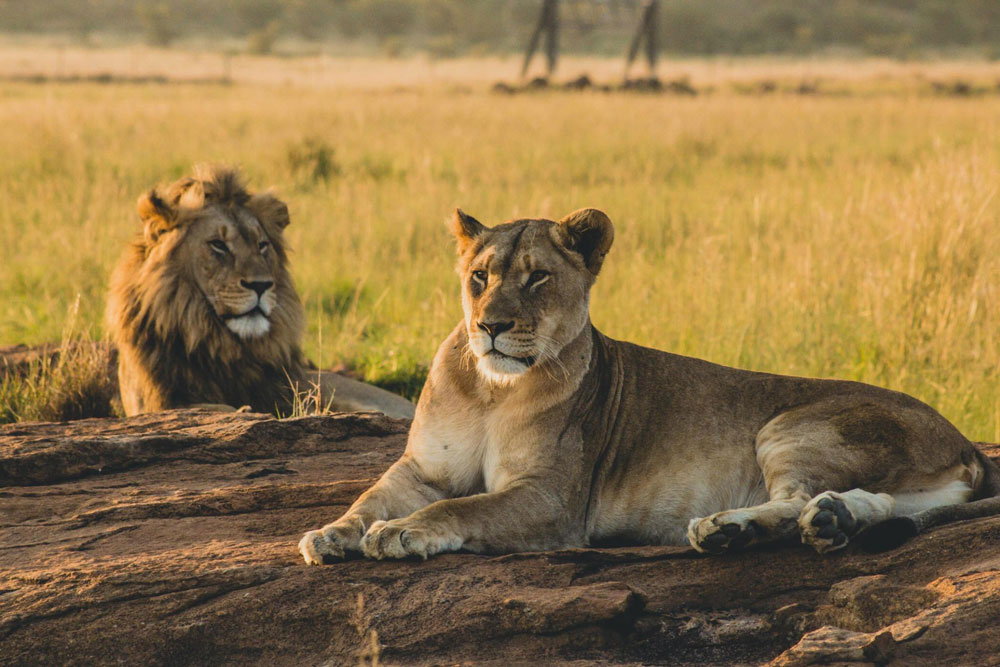
There’s a particular kind of silence that settles over the Serengeti just before sunrise — the kind that makes you realize no photograph, documentary, or secondhand story has ever quite captured it. At Havillah Tours & Safaris Ltd, we’ve guided travelers through this landscape for years, and we’ve learned that the visitors who leave most satisfied are the ones who arrived prepared — not just with the right gear, but with the right expectations.
If this is your first time planning a trip into one of Africa’s most iconic wildernesses, here are ten things worth knowing before you go.
1. Timing Your Trip Shapes Your Entire Experience
The Serengeti doesn’t look the same in January as it does in July, and the difference isn’t cosmetic — it’s behavioral. Between December and March, the southern plains come alive with calving season, when hundreds of thousands of wildebeest give birth within a few short weeks, drawing predators in for an intense display of survival drama. From June through September, the dry season pushes the Great Migration north toward the Mara River, producing the dramatic crossings many travelers associate with the park.
Neither season is objectively “better” — they’re simply different stories unfolding on the same stage. Our guides at Havillah Tours & Safaris Ltd typically ask clients what they most want to witness before recommending dates, because matching intention to timing is the single biggest factor in trip satisfaction.
2. The Serengeti Is Larger Than Most People Imagine
First-time visitors often picture the Serengeti as a single, compact reserve. In reality, it spans roughly 14,750 square kilometers of grassland, woodland, and kopjes (rocky outcrops), and it connects to a broader ecosystem that includes the Ngorongoro Conservation Area, Maswa Game Reserve, and Kenya’s Maasai Mara. A single-day visit barely scratches the surface.
This scale matters practically: driving times between camps and viewing areas can take hours, not minutes. Building a realistic itinerary — rather than trying to “see everything” in three days — is something experienced operators factor into trip planning from the outset.
3. Choosing the Right Accommodation Changes the Rhythm of Your Days
Accommodation options range from permanent luxury lodges with infinity pools overlooking the plains, to mobile tented camps that physically relocate with the migration, to more budget-conscious public campsites. Each option changes your daily rhythm. Mobile camps place you closer to migratory herds but offer fewer amenities. Permanent lodges offer comfort and consistency but may be farther from seasonal wildlife concentrations.
A knowledgeable operator will walk you through these trade-offs honestly rather than upselling the most expensive option by default — and will be transparent about what’s included (meals, park fees, transfers) versus what isn’t.
4. Wildlife Sightings Are Never Guaranteed — But Patterns Help
No ethical safari company will promise you a lion kill on day one or a river crossing on command. Wildlife behavior is governed by rainfall, grazing patterns, and predator-prey dynamics that shift year to year. What experienced guides can offer is pattern recognition: knowing which river crossing points tend to be active during a given week, where prides have historically denned, or which valleys hold water later into the dry season.
This is where guide expertise becomes the difference between a good safari and an extraordinary one. A guide who has spent seasons reading the land can interpret vulture circles, fresh tracks, and alarm calls in ways a first-time visitor simply cannot.
5. Malaria Prevention and Vaccinations Require Advance Planning
The Serengeti sits within a malaria-endemic region, and health preparation should start six to eight weeks before departure, not the week before. Most travel health authorities recommend antimalarial prophylaxis, and Tanzania also requires proof of yellow fever vaccination for travelers arriving from certain countries.
We always recommend a consultation with a travel medicine clinic or your personal physician, since recommendations can vary based on individual health history, trip duration, and the specific regions visited within the broader itinerary. This is general guidance, not a substitute for professional medical advice tailored to you.
6. Packing Smart Matters More Than Packing Heavy
Serengeti days often begin cold — early morning game drives can dip into the low teens Celsius — and climb into the warm afternoon sun. Layering is essential: a lightweight fleece or jacket for dawn drives, breathable neutral-toned clothing for daytime (bright colors and dark blues/blacks can attract tsetse flies in certain areas), a wide-brimmed hat, and quality sunglasses.
Equally important are the logistics: most small aircraft transfers between airstrips enforce strict luggage weight limits, often around 15 kilograms including hand luggage, packed in soft-sided duffel bags rather than hard-shell suitcases. Packing light isn’t a suggestion here — it’s often a hard requirement.
7. Park Fees and Conservation Levies Fund What You’re There to See
Entrance fees, concession fees, and conservation levies can feel like a lot of separate line items, but they serve a direct purpose: funding anti-poaching patrols, ecological research, and community conservation programs that keep the ecosystem intact. These fees are typically built into a reputable operator’s quoted package price, but it’s worth understanding what they cover so you can appreciate where your money goes — directly into the continued existence of the park you’re visiting.
Transparent operators will break these costs down for you rather than bundling them into a vague “safari package” line item, so you understand exactly what you’re paying for.
8. A Good Guide Is the Single Biggest Factor in Trip Quality
More than the lodge, more than the vehicle, more than the time of year — your guide shapes your experience. A seasoned guide reads animal behavior, communicates in real time with other guides across the park about sightings, manages vehicle positioning so every guest gets a clear view without crowding the animals, and shares ecological and cultural context that transforms a sighting into a story.
At Havillah Tours & Safaris Ltd, our guiding team draws on years of field experience and ongoing training, because we believe this role is less about driving and more about interpretation — translating the landscape for guests who are seeing it for the first time.
9. Photography Requires Different Preparation Than You’d Expect
Many first-timers underestimate how much dust, vibration, and lighting variability affects photography on safari. A lens in the 100–400mm range (or longer) is generally more useful than a wide-angle for wildlife, since vehicles often maintain respectful distances from animals. Extra batteries matter because cold mornings drain them faster, and a simple dust-protection strategy (a rain cover, resealable bags, or a dedicated camera bag) will save your gear from the fine Serengeti dust that gets into everything.
Golden hour — the hour after sunrise and before sunset — consistently produces the richest light and the most active wildlife behavior, so many guides structure game drives around these windows rather than the middle of the day when animals often rest in shade.
10. Respecting Local Communities and Conservation Norms Enriches the Experience
A safari isn’t only about wildlife — it’s also an encounter with the Maasai and other communities who have coexisted with this landscape for generations. Approaching cultural visits with curiosity and respect, asking before photographing people, and supporting community-run initiatives (craft cooperatives, cultural bomas, conservation fees that return revenue to local districts) adds depth to a trip that might otherwise stay purely transactional.
Responsible operators build these interactions into itineraries thoughtfully, ensuring they’re mutually beneficial rather than performative, and travelers who go in with an open, respectful mindset tend to describe these moments as some of the most memorable parts of their trip.
Why Expertise and Trust Matter When Choosing an Operator
Planning a Serengeti National Park Safari involves more moving parts than most first-time travelers expect — permits, seasonal timing, accommodation logistics, health preparation, and on-the-ground wildlife knowledge all have to align. This is precisely where working with an established operator pays off. At Havillah Tours & Safaris Ltd, our itineraries are built from years of direct field experience, ongoing relationships with conservation authorities, and a genuine investment in getting the details right — not just the big picture, but the logistics that make or break a trip.
We’ve found that travelers researching Tanzania Safari Tours often arrive with a mental image shaped by documentaries, but the real planning process benefits enormously from honest, experience-based guidance: realistic expectations about wildlife sightings, transparent cost breakdowns, and itineraries tailored to what a guest actually wants to see rather than a one-size-fits-all package.
Tanzania itself offers remarkable range beyond the Serengeti alone. For travelers weighing different Tanzania Safari Destinations, the country’s protected areas each offer something distinct — the Ngorongoro Crater’s concentrated wildlife within a volcanic caldera, Tarangire’s dense elephant populations and ancient baobabs, Lake Manyara’s tree-climbing lions and birdlife, and the Serengeti’s sweeping plains and migratory drama. A well-designed multi-park itinerary often tells a more complete story than a single-location visit.
Final Thoughts Before You Go
A first Serengeti safari is, for most people, a genuinely transformative trip — not because of any single dramatic moment, but because of the accumulated effect of vast skies, unscripted wildlife behavior, and a landscape that operates on its own ancient rhythm. Preparation doesn’t diminish the wonder of that experience; if anything, it clears the way for it; when you’re not worrying about logistics, packing mistakes, or unrealistic expectations, you’re free to actually be present for what unfolds in front of you.
At Havillah Tours & Safaris Ltd, we see our role as removing the friction between a traveler’s curiosity and the landscape itself — handling the permits, the timing, the guide expertise, and the honest conversations about what to expect, so your focus stays exactly where it should be: on the Serengeti, as it reveals itself to you for the first time.
If you’re beginning to plan your own trip, we’re happy to walk through season options, accommodation styles, and itinerary structures based on what you most want from the experience. Every first safari is different — and getting the foundational details right is what makes it unforgettable.