Is Climbing Mount Kilimanjaro Difficult? A Complete Guide for First-Time Climbers
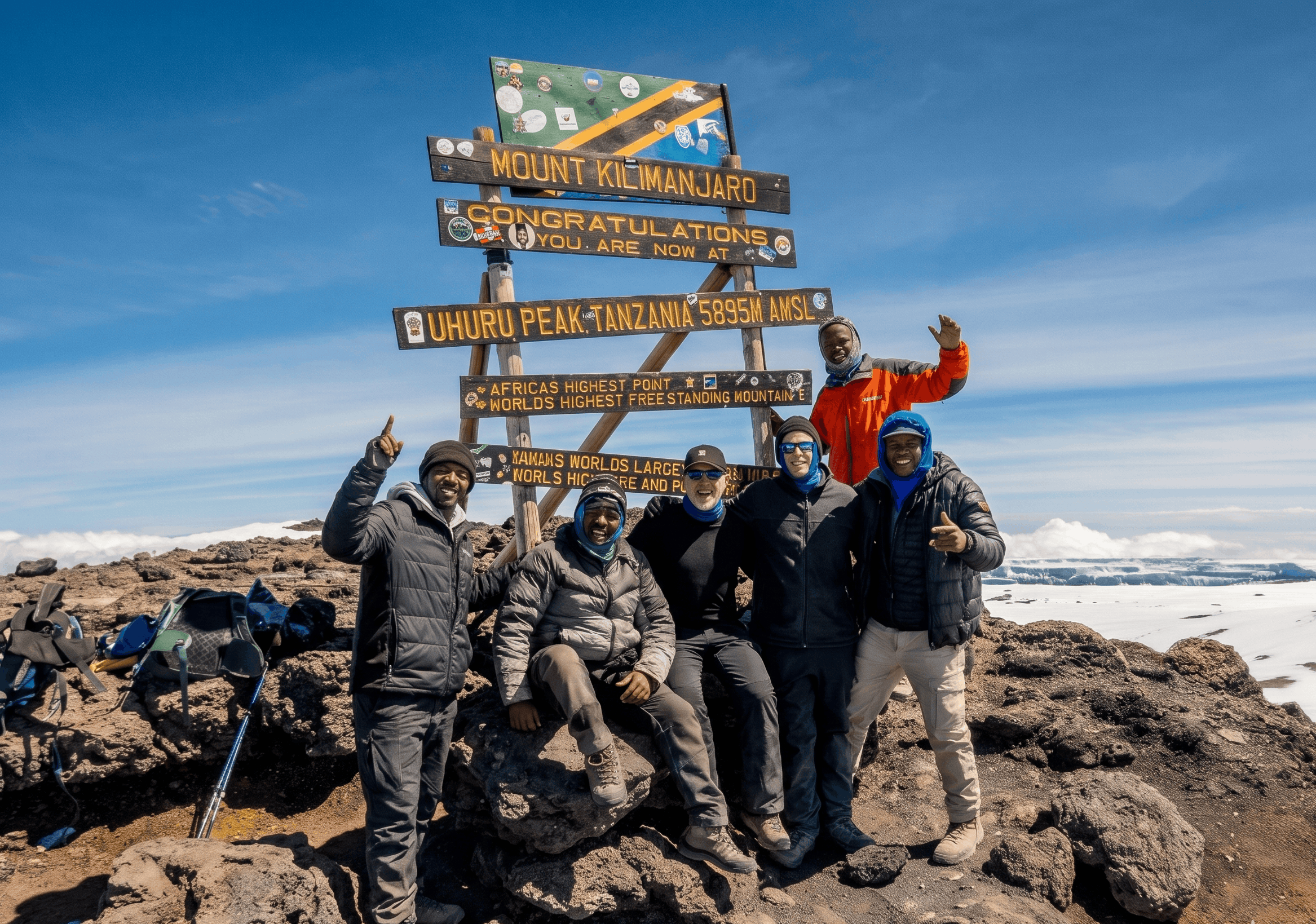
Every year, tens of thousands of hopeful trekkers arrive in Moshi or Arusha with the same question circling in their minds: just how hard is this going to be? At Havillah Tours & Safaris Ltd, we’ve guided climbers of every age, fitness level, and experience bracket to the Roof of Africa, and we’ve learned that the honest answer isn’t a simple “easy” or “hard.” It’s “manageable, if you prepare properly and choose the right route and team.” This guide draws on years of first-hand experience putting climbers on the summit, so you can walk into your Kilimanjaro climb with realistic expectations and a genuine plan.
How Difficult Is It to Climb Mount Kilimanjaro?
Mount Kilimanjaro is often marketed as “the mountain anyone can climb,” and in a technical sense, that’s true — no ropes, harnesses, or climbing skills are required on any of the standard tourist routes. But don’t mistake “non-technical” for “easy.” At 5,895 meters (19,341 feet), Kilimanjaro is the highest freestanding mountain in the world and one of the highest peaks on any continent. The real difficulty isn’t steep rock faces or ice walls — it’s altitude, distance, and endurance.
Climbers walk for five to nine days depending on the route, gaining thousands of meters in elevation while oxygen levels drop. By the time you reach Uhuru Peak, the air contains roughly half the oxygen available at sea level. This is what makes Kilimanjaro genuinely challenging: it’s a test of patience, pacing, and how well your body copes with thinning air, not a test of technical climbing ability. In our experience guiding hundreds of trekkers, the mountain is difficult in the way a long-distance challenge is difficult — demanding but achievable for most healthy adults who prepare sensibly.
Can a Beginner Climb Kilimanjaro Without Mountaineering Experience?
Yes. This is one of the most reassuring truths about Kilimanjaro: you do not need any prior mountaineering background to attempt it. Unlike peaks such as Mount Kenya’s technical routes or the Himalayan giants, Kilimanjaro’s main paths — Machame, Marangu, Lemosho, Rongai, and Northern Circuit — are all walking (trekking) routes. There’s no rock climbing, no use of ropes or crampons on standard ascents, and no prior high-altitude experience required.
That said, “no experience needed” doesn’t mean “no preparation needed.” First-time climbers succeed most often when they’ve done some hiking beforehand, even modest day hikes or stair climbing, simply to understand how their body handles sustained physical effort over several hours. At Havillah Tours & Safaris Ltd, we routinely brief first-timers on what to expect, and we’ve found that confidence and mental preparation matter almost as much as physical readiness. If you’ve never hiked before in your life, it’s wise to log a few practice hikes in the months leading up to your trip, but a complete lack of mountaineering credentials should never discourage you from attempting Kilimanjaro.
How Physically Fit Do You Need to Be?
You don’t need to be an elite athlete, but you do need reasonable cardiovascular fitness and muscular endurance. Think of the fitness level required for a long day of hiking with a daypack, repeated for several consecutive days — that’s a fair benchmark.
A few practical fitness guidelines we share with our climbers:
- Cardiovascular endurance: Regular aerobic exercise (jogging, cycling, swimming, or brisk walking) for 30–60 minutes, three to five times a week, for at least two to three months before your climb.
- Leg strength and stamina: Stair climbing, hill walking, or using a stair-stepper machine builds the specific muscles used in sustained uphill and downhill trekking.
- Hiking with a pack: Practicing hikes carrying a daypack (around 5–8 kg) helps your body adjust to the load you’ll carry daily.
- Consistency over intensity: A steady training routine over several months is far more valuable than an intense burst of training the week before departure.
Age and fitness level vary enormously among successful summiters — we’ve guided teenagers, grandparents in their seventies, and everyone in between to the top. What matters more than raw athleticism is consistent preparation and a realistic understanding of your own pace.
How Many Hours Do You Walk Each Day?
Daily walking times vary by route and stage of the climb, but most days involve five to seven hours of hiking, with some days — particularly summit night — requiring considerably longer.
A rough breakdown looks like this:
- Early trekking days: Four to six hours of walking through rainforest and moorland zones, at a gentle, steady pace.
- Mid-route acclimatization days: Often shorter walking days (three to five hours) built around the “climb high, sleep low” principle, where you ascend to a higher altitude during the day and descend to sleep at a lower camp.
- Summit night: This is the outlier. Climbers typically begin their final ascent around midnight, walking eight to twelve hours (summit push plus the long descent to a lower camp) in a single continuous push.
This pacing is deliberate. Guides on any reputable Kilimanjaro Climbing itinerary will insist on a slow, measured walking speed — often jokingly called “pole pole” (Swahili for “slowly slowly”) — because moving too fast at altitude increases the risk of altitude sickness.
What Is the Hardest Part of Climbing Kilimanjaro?
Without question, summit night is the most physically and mentally demanding stretch of the entire climb. Several factors converge at once:
- Extreme cold and wind, often arriving after days of relatively mild daytime trekking.
- Darkness, since the ascent begins around midnight to ensure climbers reach the summit around sunrise and have enough daylight to descend safely.
- Thin air, with oxygen levels low enough that even simple movements feel laborious.
- Steep, loose scree, particularly on routes like Machame and Lemosho, which demands careful footing when fatigue is already setting in.
- Sleep deprivation and exhaustion, since climbers are typically woken after only a few hours of rest to begin the push.
In our years of guiding climbers up this mountain, we consistently hear the same reflection afterward: the days of trekking through forest and alpine desert were enjoyable, but summit night was where real grit was tested. This is also why having experienced, well-trained guides matters so much — they read climbers’ condition carefully, adjust pace, and know when to encourage someone forward versus when to recommend turning back for safety.
How Cold Does It Get Near the Summit?
Temperatures near Uhuru Peak can plunge dramatically, especially overnight during the summit push. While daytime temperatures lower on the mountain may feel comfortably warm (sometimes 20–25°C in the rainforest zone), conditions change entirely above 4,500 meters.
Near the summit, nighttime temperatures commonly fall to between -15°C and -25°C (5°F to -13°F), and wind chill can push the perceived cold even lower. Add in wind speeds that frequently pick up at higher elevations, and the combination becomes genuinely harsh. This is why proper layering — a moisture-wicking base layer, insulating mid-layers, and a windproof, waterproof outer shell, along with quality gloves, a warm hat, and insulated boots — is non-negotiable. Underestimating the cold is one of the most common and preventable mistakes first-time climbers make.
What Are the Biggest Reasons Climbers Fail to Reach Uhuru Peak?
Success rates on Kilimanjaro vary significantly by route and itinerary length, but overall summit success across all routes is estimated to be around 60–70%, with shorter, cheaper itineraries pulling that average down and longer, well-paced routes pushing it well above 90%. The reasons climbers don’t make it to the top are fairly consistent:
- Insufficient acclimatization time. Shorter itineraries (five to six days) rush the body’s adjustment to altitude, dramatically increasing the risk of acute mountain sickness (AMS). Routes of seven days or more, such as the Lemosho or Northern Circuit, allow far better acclimatization and correspondingly higher success rates.
- Altitude sickness. Headaches, nausea, dizziness, and fatigue caused by reduced oxygen are the number one reason climbers turn back. Choosing a longer route and ascending gradually are the best defenses.
- Poor physical preparation. Climbers who arrive without any cardiovascular conditioning often struggle with the cumulative fatigue of multi-day trekking.
- Underestimating the cold and being inadequately equipped. Hypothermia risk and simple misery from being unprepared for summit-night temperatures cause many climbers to give up before reaching the top.
- Going too fast. Ironically, fitter, younger climbers sometimes fail because they move too quickly, outpacing their body’s ability to adjust to altitude.
- Low-quality support teams. Inexperienced guides, inadequate food, insufficient oxygen-monitoring, and poor emergency protocols can turn manageable symptoms into forced descents.
This last point is why operator choice matters as much as physical fitness. At Havillah Tours & Safaris Ltd, our guides are trained in altitude-sickness recognition, carry supplemental oxygen and pulse oximeters, and build itineraries with acclimatization days specifically to maximize summit success while keeping safety the top priority.
Final Thoughts: Is Kilimanjaro Difficult?
Kilimanjaro is challenging, but it is not reserved for elite athletes or professional mountaineers. It rewards preparation, patience, and respect for altitude far more than raw physical talent. Choose a longer route, train consistently in the months beforehand, pack properly for extreme cold, and climb with an experienced, safety-focused operator — and the mountain becomes a genuinely achievable goal for most healthy adults.
If you’re planning your trip and want a team that has walked this mountain with climbers from every background, Havillah Tours & Safaris Ltd would be glad to help you plan an itinerary suited to your fitness level and goals. We also offer a combined Tanzania Safari experience for those who want to pair their summit achievement with the wildlife-rich plains of the Serengeti and Ngorongoro Crater, making for an unforgettable Tanzanian adventure from mountain peak to savanna floor.