How Much Does a Zanzibar Holiday Cost in 2026? A Complete Travel Budget Guide
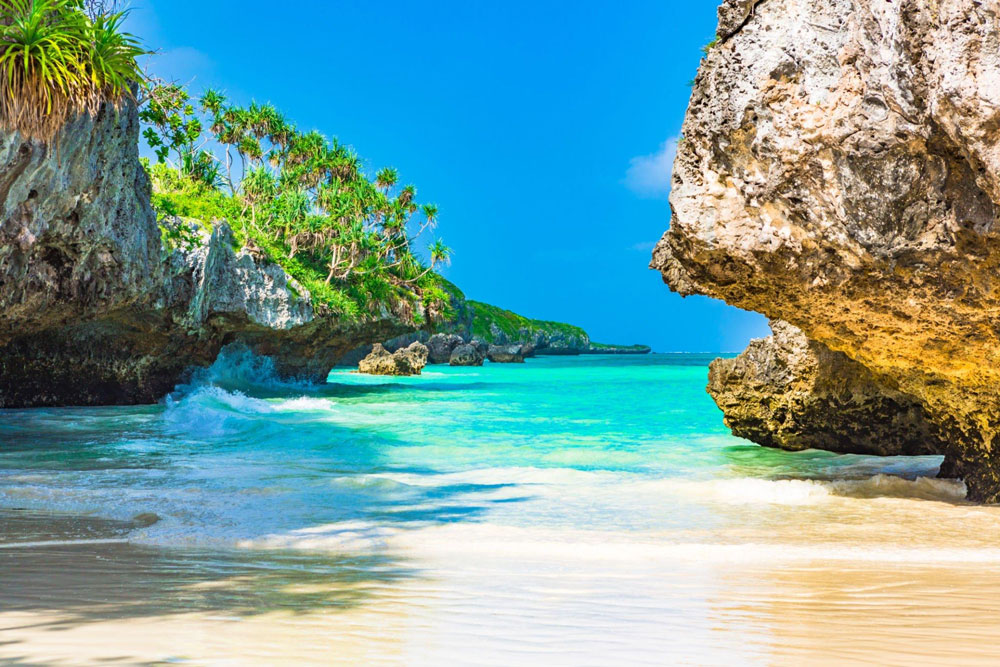
Zanzibar has a way of showing up on everyone’s wish list — spice-scented alleys in Stone Town, water the colour of blue curaçao, and beach bars where the sunset is the whole show. But before you start picturing yourself under a palm tree, you need a real number to plan around. At Havillah Tours & Safaris Ltd, we build Zanzibar itineraries every week for travellers from the UK, the US, Europe, and across East Africa, and the one question that comes up in nearly every enquiry is simple: “How much will this actually cost me?”
This guide breaks that down honestly, using current 2026 pricing patterns across budget, mid-range, and luxury tiers, so you can plan your trip with a number you can trust — not a marketing figure designed to look good on an ad.
What Is the Average Cost of a Zanzibar Holiday?
There’s no single “average” cost for Zanzibar because the island genuinely serves three very different kinds of travellers, and the price reflects that.
As a rough daily benchmark, per person: a budget-focused traveller spends roughly US$70 to US$150 a day, a mid-range traveller spends US$180 to US$400 a day, and a luxury traveller spends US$500 to US$1,500 or more a day, once accommodation, meals, local transport, and a few excursions are counted.
For a full trip rather than a daily rate, most travellers land somewhere between US$1,200 and US$2,900 per person for a standard holiday of around a week, excluding international flights in some cases and including them in others — which is exactly why it’s worth reading the fine print on any quote before you compare prices. Package tours that bundle flights, hotel, meals, and transfers together typically fall in a similar band, often around US$1,450 to US$2,750 per person, though shorter 3–4 day breaks can be booked from a few hundred dollars and ultra-luxury villa weeks can comfortably exceed US$4,500 per person.
The honest takeaway: if a company quotes you a number far below these ranges for a full week including flights, ask exactly what’s excluded. If it’s far above, ask what premium you’re actually paying for — private transfers, a boutique property, or genuinely all-inclusive dining.
How Much Does a 7-Day Zanzibar Holiday Cost?
A full week is the most popular length of stay, and it’s where pricing patterns become clearest.
- Budget trip (7 nights): roughly US$1,200–1,900 per person — guesthouses or 2–3 star hotels, local food, shared or self-arranged transport, and one or two paid activities.
- Comfort / mid-range trip (7 nights): roughly US$1,800–2,900 per person — a solid 3–4 star beach resort, half-board or all-inclusive meals, airport transfers included, and a couple of excursions like Stone Town or a spice tour.
- Luxury trip (7 nights): roughly US$3,200–5,300 per person and upward — 5-star or boutique beachfront resorts, private transfers, and premium experiences such as sunset dhow cruises or private snorkelling charters.
If you’re travelling as a couple sharing a room, per-person costs drop noticeably because accommodation, private transfers, and taxis are split between two people rather than carried by one traveller. Two people sharing can often bring the realistic weekly budget down to around US$1,300–1,800 per person even at a comfortable standard.
Average nightly hotel rates give a useful sanity check too: expect roughly US$80 a night for a solid 3-star property, around US$160 for a well-rated 4-star resort, and US$350-plus for genuine 5-star beachfront accommodation. Multiply that by seven nights and you’ll see roughly where your accommodation line sits before meals, transfers, and activities are added.
Are Flights Included in Zanzibar Holiday Packages?
This is one of the most important questions to ask before you book — and one of the most commonly misunderstood.
Some operators sell true all-inclusive charter packages that bundle return flights, hotel, meals, and airport transfers into one price. These are common from European departure cities, especially in peak season, and can represent genuinely good value because the airline, hotel, and ground operator negotiate as a block.
Other “packages,” however, only cover what happens once you land — accommodation, meals, transfers, and tours — with international flights priced and booked entirely separately. This is especially common with specialist African tour operators (including trips built for travellers coming from within East Africa, or combined with a mainland Tanzania safari), where flexibility on departure dates and routing matters more than a fixed charter slot.
International flights are typically the single largest cost in your trip. For travellers flying from Europe, expect roughly US$700–1,400 per person return, with North American and Australian departures usually running higher due to distance and fewer direct routing options. Always ask your operator, in writing, whether flights are included in the headline price — and if they are, confirm the departure airport, airline, and whether checked baggage is covered. This single question prevents more budget surprises than any other part of the planning process.
What Is Included in an All-Inclusive Zanzibar Package?
“All-inclusive” is used loosely across the travel industry, so it’s worth knowing what it should actually cover before you book Zanzibar Holiday Packages built around that label.
A genuinely all-inclusive Zanzibar package typically covers:
- Accommodation for the full length of stay, usually a beach resort or hotel
- All meals, often breakfast, lunch, dinner, and sometimes snacks or an in-room minibar
- Selected drinks, though this varies widely — some resorts include only local beer, wine, and soft drinks, while others include premium imported spirits
- Airport transfers to and from your resort
- Some non-motorised water activities, such as kayaking or use of resort snorkelling gear
What’s commonly not included, even in “all-inclusive” deals, is just as important:
- International flights (unless specifically stated)
- Visa fees and mandatory travel insurance
- Excursions like spice tours, Stone Town walking tours, dolphin trips, or a Safari Blue cruise
- Motorised water sports such as jet skis or deep-sea fishing
- Tips, hotel service charges, and the Zanzibar tourism levy
- Alcohol beyond house-pour local brands, in many properties
Before confirming any booking, ask for a written inclusions list, not just a verbal summary. At Havillah Tours & Safaris Ltd, we provide a full breakdown of exactly what’s covered — and what isn’t — so there are no surprises at check-in.
Is Zanzibar Expensive for International Tourists?
Compared to many Indian Ocean destinations with a similar look and feel — the Maldives or the Seychelles, for instance — Zanzibar is genuinely more affordable, which is part of why it has become so popular with international travellers in recent years.
That said, “affordable” is relative, and Zanzibar does have a dual-pricing reality worth understanding:
- Local, street-level costs are low. A meal at a local eatery or Forodhani Gardens night market in Stone Town can cost as little as US$5–8, and local transport (dala-dalas, shared taxis) is inexpensive by international standards.
- Resort and tourist-facing costs are set at international levels, particularly along the main beach strips of Nungwi, Kendwa, and Paje, where 4- and 5-star properties price rooms, meals, and excursions in line with global beach-destination rates.
Budget accommodation can run from around US$20–50 per person per night, while mid-range hotels sit closer to US$50–150 per person per night — a wide enough spread that your choice of accommodation tier, more than almost anything else, determines whether your trip feels like a bargain or a splurge. The good news is that Zanzibar genuinely accommodates both ends of that spectrum well, unlike destinations where budget options are scarce or poorly maintained.
For context, every traveller should also budget for Tanzania’s mandatory entry costs: a tourist visa (obtainable online or on arrival, depending on nationality) and, in many cases, proof of travel insurance, both of which add a modest but real amount to your total trip cost before you’ve spent a shilling on holiday.
What Is the Cheapest Month to Book a Zanzibar Holiday?
Zanzibar’s pricing follows a fairly predictable seasonal rhythm tied to its climate.
- Low season — April to May (the long rains): This is consistently the cheapest window, with hotel rates often dropping 20–40% below peak pricing. Rain is frequent but usually comes in short, heavy bursts rather than all-day downpours, and many resorts offer their best promotional rates during this period.
- Shoulder season — November and early December, and parts of June: A good middle ground, with shorter rains, thinner crowds, and noticeably better prices than the December–March or July–August peaks.
- Peak season — July to September and mid-December to early January: Prices rise significantly due to European summer holidays and the Christmas/New Year travel window, and popular resorts can sell out months ahead.
If your travel dates are flexible, booking for late April, May, or November can meaningfully reduce your total trip cost — sometimes enough to upgrade from a mid-range resort to a genuinely nice one for the same money you’d spend on a standard room in August. Booking several months ahead, regardless of season, also tends to secure better flight and resort rates than last-minute bookings.
How Much Spending Money Should You Take to Zanzibar?
Beyond your pre-booked package, plan for daily spending money to cover meals not included in your package, excursions, tips, and incidentals.
As a rough guide, per person per day:
- Budget traveller: US$20–40 — local meals, minimal extra activities, basic transport
- Mid-range traveller: US$40–80 — a mix of hotel and local dining, occasional paid excursions, modest shopping
- Comfortable/luxury traveller: US$100–200+ — resort dining, spa treatments, private tours, and premium excursions like a sunset dhow cruise or a Mnemba Island snorkelling trip
For a typical week-long trip, this translates to roughly US$150–300 for a budget traveller, US$300–600 for mid-range, and US$700 or more for those wanting extra excursions and nicer dining throughout the stay. It’s also sensible to carry a mix of US dollars (clean, newer notes are preferred by many vendors) and Tanzanian shillings for local markets, tipping, and smaller purchases, alongside a card for hotel bills and larger payments.
Final Thoughts
Zanzibar can be a genuine budget beach escape or a five-star Indian Ocean retreat — the island supports both, and the right number for your trip depends entirely on the choices you make around season, accommodation tier, and what’s actually bundled into your package. The safest approach is always the same: get a fully itemised quote, confirm what’s included and what isn’t in writing, and book with an operator who answers your questions clearly rather than vaguely.
At Havillah Tours & Safaris Ltd, we design Zanzibar itineraries around your actual budget — not a generic template — and we’re happy to walk you through a transparent, line-by-line cost breakdown before you commit to anything. Get in touch with our travel team to start planning your 2026 Zanzibar holiday with a number you can trust.