How Much Does It Cost to Climb Mount Kilimanjaro in 2026?
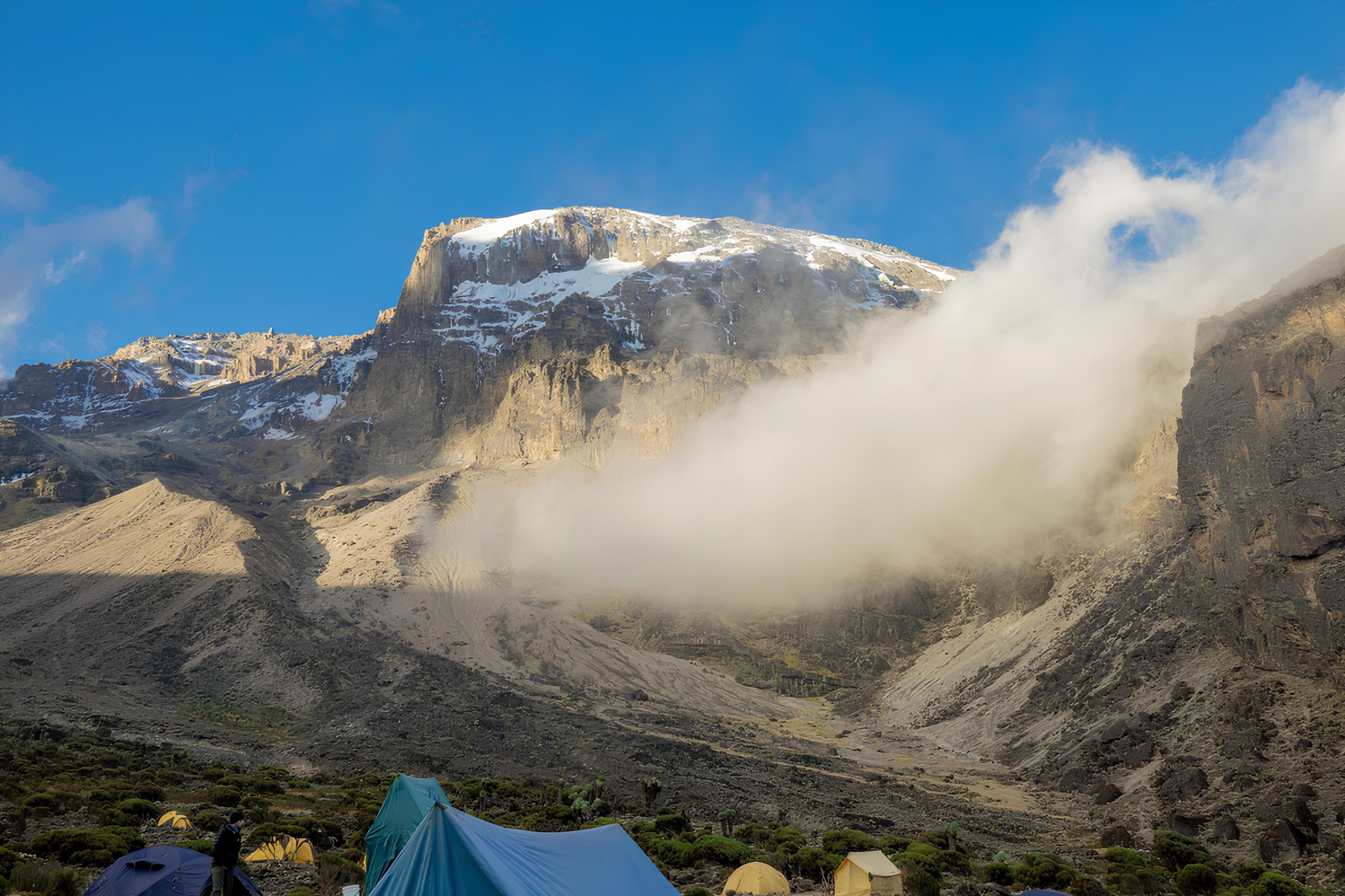
Every year, thousands of travelers write to us at Havillah Tours & Safaris Ltd with some version of the same question: “What will my Kilimanjaro climb actually cost?” It’s a fair question, and a tricky one — because unlike a flight or a hotel room, the price of climbing Africa’s highest peak depends on a dozen moving parts: route, duration, group size, operator standards, and what’s included versus what you’ll pay for separately once you land in Moshi.
Having guided climbers up Kilimanjaro for years, we’ve seen firsthand how misleading a single advertised number can be. Two companies can quote wildly different prices for what looks like the same seven-day Machame trek — and the difference often explains why one group summits safely while the other struggles. This guide breaks down real 2026 numbers so you can budget accurately and choose a package with your eyes open.
What Is the Average Cost of Climbing Kilimanjaro?
For 2026, a reputable guided climb typically costs between $2,000 and $3,800 per person for the core package, with most well-run mid-range trips landing around $2,400 to $3,300. Budget operators advertise trips from as low as $1,300 to $1,800, while luxury climbs with private crews, premium camping equipment, and post-climb lodge stays can run $4,500 to $7,500 or more.
Route and duration move this number significantly. A 5-day Marangu hut climb is the cheapest option on the mountain, often priced from $1,800 to $2,400, while an 8-to-9-day Northern Circuit — the longest and most scenic route, with the highest summit success rates — typically costs $3,000 to $4,200. As a general rule, every extra day on the mountain adds roughly $150 to $250 per person, covering additional park fees, crew wages, and food.
It’s worth being skeptical of any number quoted in isolation. The honest answer is a range, not a figure, because the “package price” and the “total trip cost” are two different things. Once you factor in international flights, tips, gear, visas, and insurance, most climbers end up spending between $3,200 and $6,500 all-in, even on a modest mid-range itinerary.
Why Are Some Kilimanjaro Climbing Packages Cheaper Than Others?
This is the question that matters most, because on Kilimanjaro, the cheapest option is rarely the smartest one. Price differences between operators usually come down to five factors:
1. Route and trip length. Shorter routes like the 5-day Marangu or 6-day Machame simply involve fewer park fee days, less food, and fewer porter wages than an 8-day Lemosho or Northern Circuit climb. Shorter isn’t always cheaper in the long run, though — it also means less time to acclimatize, which lowers your odds of actually reaching the summit.
2. Group size. Joining a scheduled group climb spreads fixed costs (park fees, guide salaries, vehicle hire) across more people, which is why group-joining rates are almost always lower than private departures.
3. Crew wages and welfare. This is the factor most travelers overlook. Some budget operators cut costs by underpaying porters, overloading them beyond the legal 20kg limit, or skimping on their food, tents, and weather gear. A trustworthy operator builds fair porter wages and proper equipment into the package price from the start — which naturally raises the quoted cost, but also means the people carrying your gear up the mountain are being treated ethically.
4. Quality of food, equipment, and staff ratios. Higher-priced packages typically include better-quality tents, thicker sleeping mats, more experienced guides, higher guide-to-climber ratios, and fresher, more varied meals. These aren’t luxuries — they directly affect your comfort, health, and summit success.
5. Licensing and overhead. Fully licensed, TANAPA-registered operators pay for permits, insurance, vehicle maintenance, and staff training. Unlicensed or informal operators sometimes undercut prices by skipping these costs entirely, which can leave climbers with no recourse if something goes wrong on the mountain.
Before booking the cheapest quote you find, it’s worth asking directly: what are the guide-to-climber and porter-to-climber ratios, how many meals are included, and how are porters paid and equipped? The answers usually explain the price gap.
Are Park Fees Included in Climbing Packages?
Yes — with any legitimate operator, Kilimanjaro National Park fees should always be built into your package price, not charged separately. These fees, set and collected by the Tanzania National Parks Authority (TANAPA), are a major driver of overall cost and include:
- A daily conservation/entry fee
- Camping fees (or hut fees on the Marangu route)
- Rescue fees
- Guide and crew entry fees
- Value Added Tax (VAT) on some components, as mandated by Tanzanian law
Together, these government fees can account for roughly 30% to 40% of your total package price on a standard route — often $700 to $900 or more for a typical week-long climb. This is one of the clearest signs of a legitimate operator: if a quoted price seems suspiciously low relative to the trip length, it’s worth asking directly whether park fees, rescue fees, and crew fees are fully included, or whether they’ll appear as “extras” once you arrive. A reputable company will give you an itemized breakdown without hesitation.
How Much Should You Budget for Tips for Guides and Porters?
Tipping is not optional on Kilimanjaro — it’s an expected and essential part of the crew’s income, since base wages alone are modest. Most operators (Havillah Tours & Safaris included) provide climbers with a suggested tipping guideline, and it’s wise to budget for it as a firm line item, not an afterthought.
As a general benchmark for 2026, plan for $20–$25 per day for your lead guide, slightly less for assistant guides, $10–$15 per day for the cook, and $8–$12 per day for each porter, per climber in your group (costs can be split if you’re in a group). For a standard 7-day climb with a typical crew, this usually totals $250 to $350 per person by the end of the trip, paid in cash (USD or Tanzanian shillings) on the final day.
Tips are typically pooled and distributed by the lead guide according to each crew member’s role, so it helps to bring tipping money in smaller denominations. We recommend budgeting this separately from your package cost and carrying it in cash, since card payment or mobile transfer isn’t practical on the mountain.
Is Equipment Rental Included in the Climbing Price?
Generally, no — equipment rental is usually treated as an optional add-on rather than a default inclusion, though this varies by operator and package tier. Most standard packages include group gear, such as tents, cooking equipment, and dining tents, but personal climbing gear (sleeping bags, down jackets, trekking poles, gaiters, and summit-specific clothing) is usually the climber’s own responsibility to bring or rent.
Many operators, including ours, offer optional rental equipment for travelers who don’t want to buy expensive cold-weather gear for a single trip. Typical rental costs in Moshi or Arusha run approximately:
- Sleeping bag (rated for -15°C to -20°C): $30–$60 for the full trip
- Down jacket: $20–$40
- Trekking poles: $10–$20 a pair
- Gaiters, gloves, and headlamp: $5–$15 each
If you’re renting most of your cold-weather gear, budget an additional $150 to $300 for a full kit. It’s always worth confirming exactly what’s included before you book — a package advertised as “all-inclusive” may still mean a separate rental fee for the actual mountain gear.
How Much Does a Private Kilimanjaro Climb Cost?
A private climb — where you and your own group (or just yourself) have a dedicated guide, cook, and porter team, rather than joining a scheduled departure with other travelers — costs noticeably more than a group-joining trip, but offers flexibility that many climbers value: custom start dates, a personalized pace, and no waiting on strangers.
For 2026, expect private climbs to run roughly 20% to 50% higher than group-joining rates on the same route. As a rough guide:
- Private 6-day Machame: approximately $2,800–$3,800 per person
- Private 7-day Lemosho: approximately $3,200–$4,500 per person
- Private luxury climbs with premium camping or post-summit lodge stays: $5,000–$8,000+ per person
Solo travelers booking a private climb pay the most per person, since fixed costs (park fees, guide and crew wages, vehicle hire) can’t be shared. Climbing with two or more people on a private departure brings the per-person cost down considerably, since the crew and logistics costs are divided between climbers while each person still gets a dedicated, non-shared experience.
What Additional Expenses Should Climbers Expect?
Beyond the advertised Kilimanjaro Trekking Cost, several expenses sit outside most packages and catch first-time climbers off guard. Planning for these upfront prevents unpleasant surprises:
International and domestic flights. Flights into Kilimanjaro International Airport (JRO) typically cost $700–$1,500 depending on origin, with most routes connecting through Doha, Amsterdam, Nairobi, or Addis Ababa.
Tanzania visa. A single-entry tourist visa costs around $50–$100 depending on nationality, generally obtainable online in advance or on arrival.
Travel and medical/evacuation insurance. Essential, not optional — Kilimanjaro’s altitude and remoteness mean evacuation insurance specifically covering high-altitude trekking is strongly recommended, typically $80–$200 depending on coverage and trip length.
Pre- and post-climb accommodation. Most itineraries include a night before and after the climb, but extra nights in Moshi or Arusha, or add-on time in Zanzibar or the Serengeti, cost extra — budget $50–$300+ per night depending on comfort level.
Vaccinations and medication. Yellow fever vaccination is required for travelers arriving from certain countries, and altitude sickness medication (such as Diamox) and basic travel medical supplies are worth budgeting $50–$150 for.
Spending money. Snacks, bottled water before the trek, souvenirs, and incidentals typically add another $50–$150.
Altogether, these extras commonly add $1,000 to $2,500 on top of your package price, which is why the realistic “all-in” cost of a Kilimanjaro trip lands well above the advertised package figure alone.
A Final Word from Havillah Tours & Safaris Ltd
As a licensed Tanzania Tour Operator based at the foot of the mountain, we believe the best way to budget for Kilimanjaro is transparency from the first quote: knowing exactly what’s covered, what isn’t, and why prices differ between companies. A climb that costs a little more upfront — because it pays porters fairly, maintains proper safety equipment, and keeps guide ratios sensible — is almost always the better investment, both for your summit chances and for the people who get you there. If you’d like a detailed, itemized quote for your specific route and travel dates, our team is happy to walk you through every line item before you book.